

Narrative Report: Local-Level Education Stakeholders Meet
Project Name: Promoting Gender Equality and Social Inclusion in Schools Building on What Children Value and Aspire to Do and Be
Event Summary:
Reported By: Md. Nazmul Hossain
Name of the Program: Local-Level Education Stakeholders Meet
Milestone 2: Local Level Education Stakeholders Meet: Initial dialogues with local level key stakeholders (Personals of NGOs working with children, municipality heads, school headmasters, teachers and parents)
Number of participants: Total – 121 (Male: 86; Female: 35)
Chief Guest: Honorable Upazila Nirbahi Officer (UNO)
Overview:
There are 5 upazilas of Cox’s Bazar district organized five several meetings with local-level education stakeholders in Ukhiya, Cox’s Bazar Sadar, Maheshkhali, Ramu, and Teknaf consecutively on 9th October 2024, 16th October 2024, 18th November 2024, 25th November 2024 and 4th February 2025 in which a total of 121 people (86 men and 35 women) including Upazila Nirbahi Officer (UNO), Upazila Education Officer, school headmasters, teachers, parents, NGO representatives and government officials participated. The main goal of these meetings was to promote Gender Equality and Social Inclusion (GESI) in schools, where the project manager’s welcome speech highlighted the importance of inclusive education and the research associate presented relevant research and results. The chief guests emphasized the greening of schools, improved sanitation system, safety, and research-based development, while upazila education officers called for creating a gender-sensitive learning environment, especially for girls. Participants highlighted the need to develop infrastructure, strengthen safety measures, train teachers, reduce dropouts, increase WASH facilities, and increase community engagement. These meetings ensure a strong commitment to regular dialogue and effective solutions to improve the quality of school education and create an inclusive environment.
Guest Reflections
Chief Guest’s Address:
- Upazila Nirbahi Officer (UNO) stressed the role of research in advancing education and called for a coordinated effort between schools and NGOs for overall development.
- Upazila Secondary Education Officer advocated for upgrading WASH facilities, aligning classroom resources with NCTB books, and preventing student dropouts through improved school environments and counseling programs.
- The Upazila Education Officer encouraged fostering a gender-sensitive school environment through cooperation among stakeholders.
They emphasized the urgent need for school infrastructure improvements, particularly WASH facilities, to foster a better learning environment. Key priorities included:
- Counseling girls to prevent dropout and tackle challenges like early marriage.
- Addressing teacher shortages by recruiting skilled educators.
- Motivating boys to remain in school instead of joining the workforce prematurely.
- Implementing safety measures such as boundary walls and gatekeepers.
Stakeholders’ Contributions
School Headmasters and Teachers:
- Highlighted key challenges, including early marriage, lack of parental awareness, and student dropouts due to poverty.
- Emphasized the need for counseling programs for both girls and boys to prevent dropout rates and early workforce involvement.
- Stressed gaps in sanitation facilities and the necessity for hygiene-friendly environments.
- Recommended appointing gatekeepers for school security and addressing teacher shortages.
Parents:
- Voiced concerns about school safety, particularly for girls, and emphasized counseling programs to discourage dropouts.
- Requested access to safe drinking water and gender-specific sanitation facilities.
- Called for safe school access, including transport facilities and secure school routes.
NGO Representatives:
- Stressed raising parental awareness to improve the education environment.
- Advocated for empowering girls through education and promoting gender sensitivity.
- Emphasized the necessity of skilled teachers and upgraded WASH facilities.
- Highlighted the importance of inclusive education for marginalized children.
Reporter Observations:
- Raised concerns about early workforce involvement among boys and risks of drug abuse.
- Suggested enhancing transport facilities to ensure safe school access.
- Recommended improving infrastructure support for students with disabilities (PWD) to promote inclusivity.
Observations and Insights
Key Challenges Identified:
- Early marriage and student dropouts due to poverty.
- Insufficient WASH facilities and infrastructure gaps.
- Shortage of trained teachers and lack of school security personnel.
- Limited inclusivity for PWD students.
- Need for better transport facilities and school accessibility.
Proposed Solutions:
- Implementing targeted counseling and awareness programs.
- Upgrading school infrastructure, particularly sanitation and drinking water facilities.
- Recruiting additional teachers and deploying gatekeepers for security.
- Providing better facilities for PWD students to enhance inclusivity.
- Ensuring safe school transportation options.
Conclusion
The Local-Level Education Stakeholders Meet facilitated meaningful dialogue among stakeholders to address educational barriers in Cox’s Bazar. The collaborative approach emphasized the need for infrastructure development, gender empowerment, and inclusive school environments.

Photo: Ukhiya
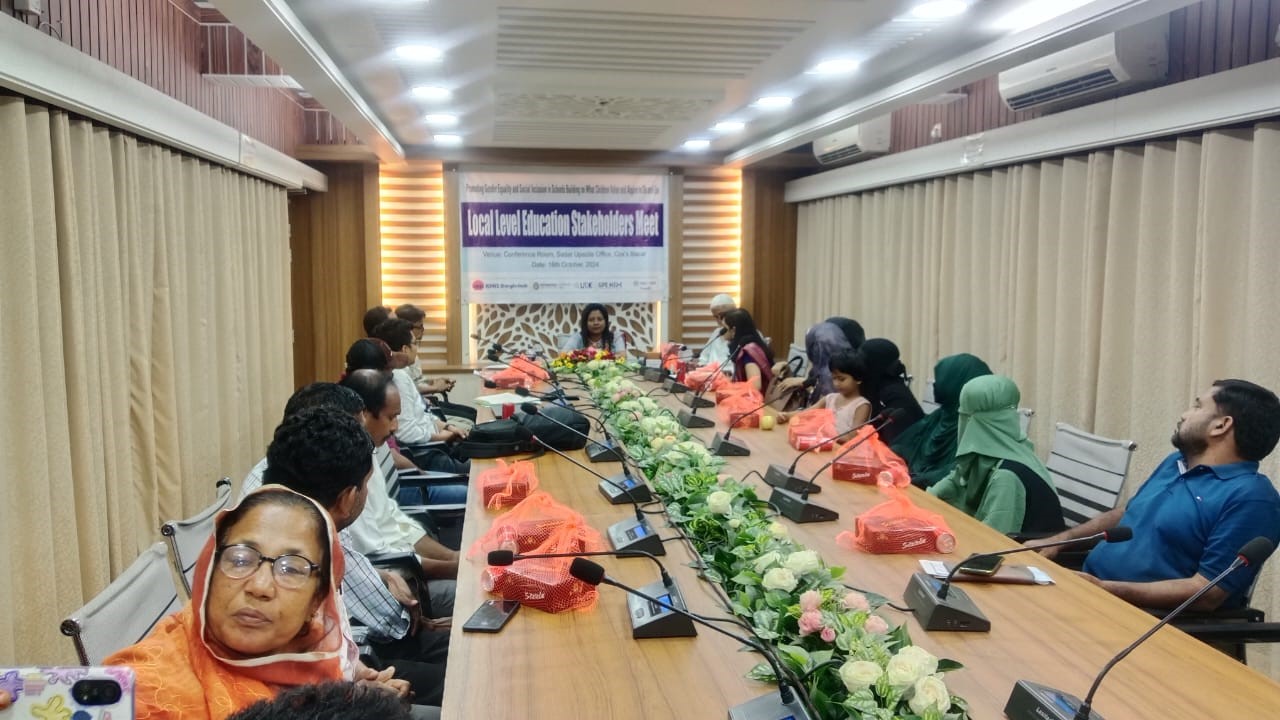
Photo: Cox’s Bazar Sadar
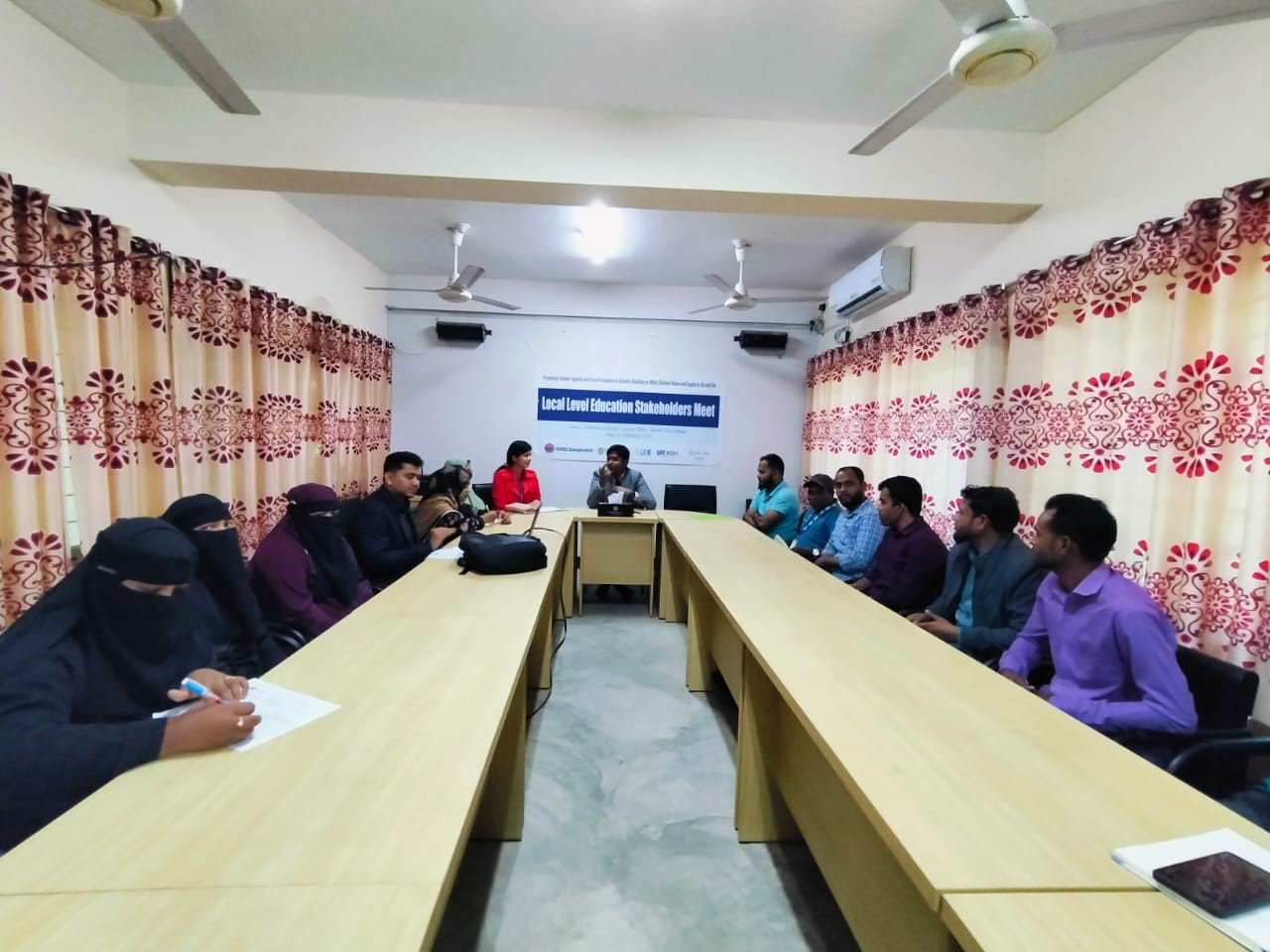
Photo: Teknaf
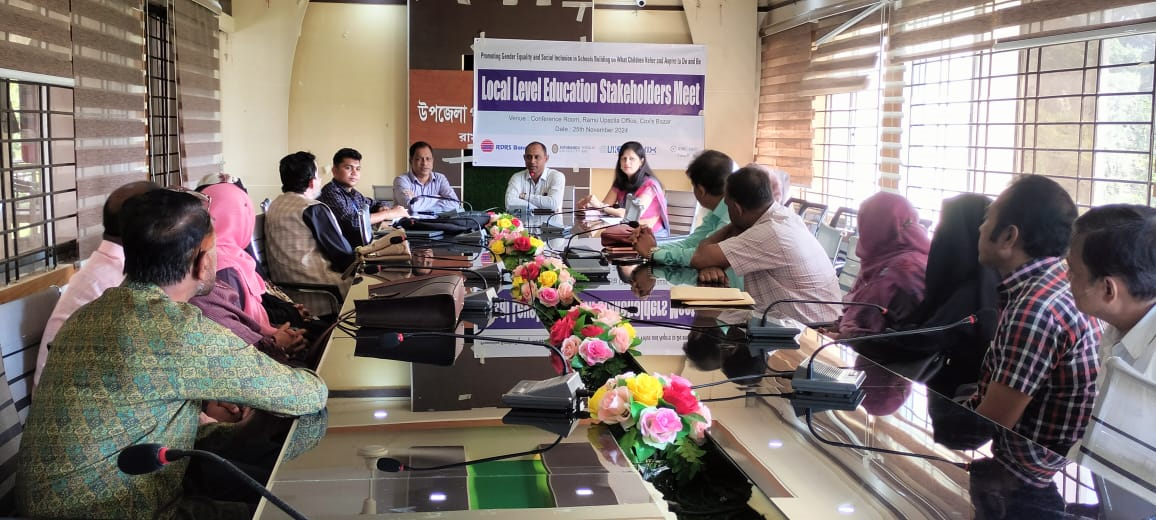
Photo: Ramu
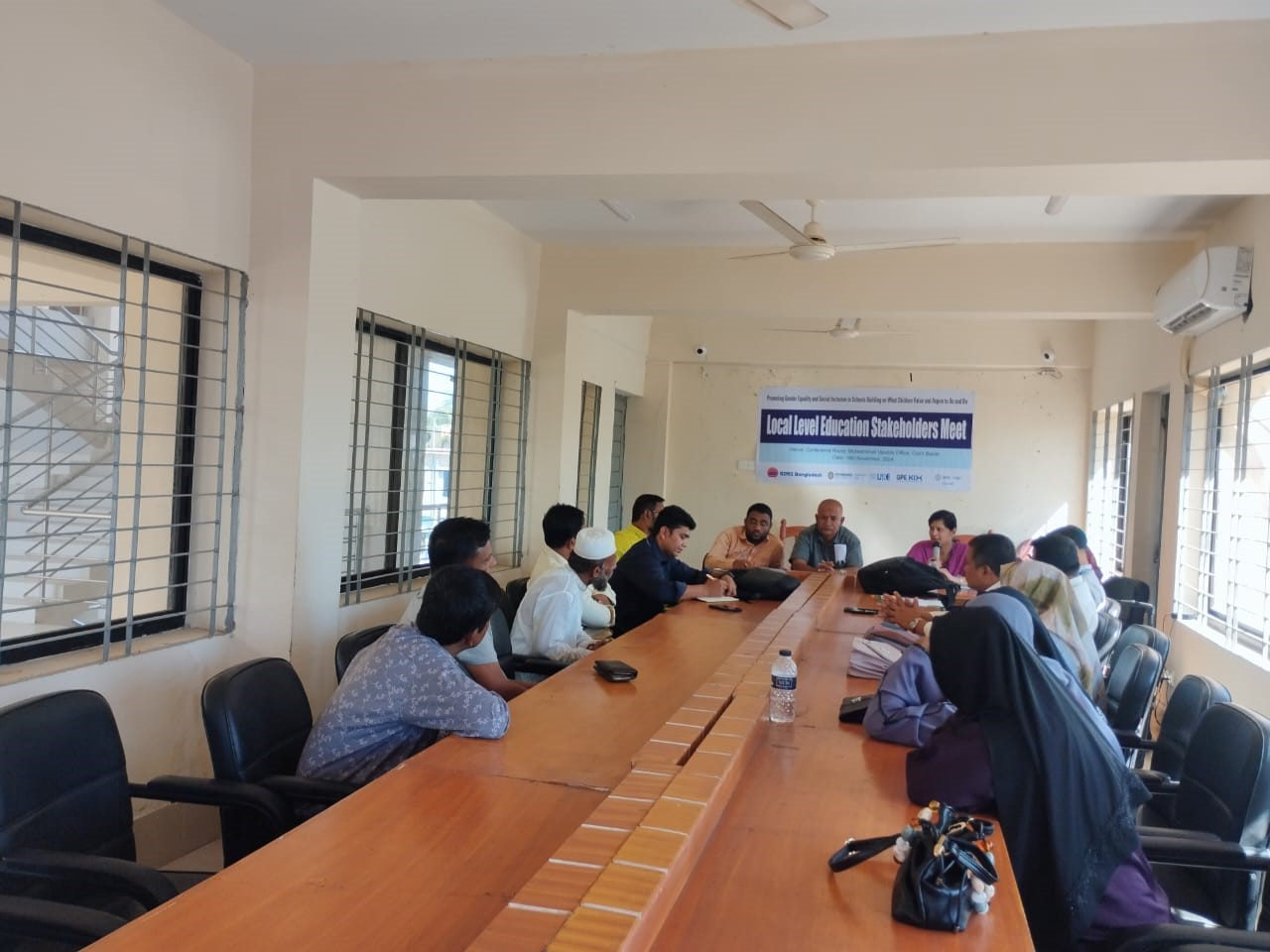
Photo: Moheshkhali